
Building Modern Infrastructure That Supports Essential Services, Creates Local Opportunity, & Operates Responsibly
Driving Responsible Infrastructure in Weld County
Global AI’s Colorado Data Center supports Weld County through long-term economic contribution and infrastructure investment.
Tax Revenue
Contributions to the Weld County tax base
Workforce Opportunity
High-quality, long-term employment opportunities
Community Growth
Partnerships with local contractors and businesses
Over 1500 construction jobs
Over 200 permanent high-wage roles
Community Impact & Engagement
Public & Environmental Support
Poudre River Initiatives: Exploring opportunities to support local environmental efforts
Environmental Initiatives: River and trail cleanups, environmental stewardship efforts, and initiatives that help preserve the surrounding ecosystem
Fire & Emergency Services: Supporting training programs and exploring opportunities for on-site training space
Workforce & Career Development
- K–12 Engagement: Introducing students to careers in technology and infrastructure
- Workforce Development: Supporting pathways for engineers, technicians, and operators
- Higher Education Partnerships: Working with local schools and universities on internships and career pathways
Weld County Community Partnerships
Weld County Fair Sponsorship: Supporting one of the region’s longstanding community events
Local Food Bank Support: Contributing to programs that support families across Weld County
Local Assistance: Engaging with local groups to support community programs and events
Overview
The Colorado Data Center supports essential systems across healthcare, agriculture, energy, and financial services—while delivering local benefits through job creation, tax revenue, and long-term investment.
Job Creation: Over 1500 construction jobs and 200 permanent high-wage roles.
Public Revenue: Property tax contributions supporting schools and public services
Low Daily Impact: Minimal traffic and small on-site workforce

Why Weld County
Weld County provides strong infrastructure, access to power, and an established industrial footprint.
By repurposing the former Carestream Health site, the project avoids developing new land and instead reinvests in an existing property, supporting responsible growth and preserving surrounding open space.

Power Usage
Grid Coordination: The project operates within regional capacity and supports a stable energy system.
On-Site Power Generation: Behind-the-meter power generation reduces demand on the public grid and helps avoid competition with residential usage during peak periods.
Infrastructure Investment: All required electrical upgrades are funded by the project, with no public funding or taxpayer burden.

Technology
Advanced systems are designed to operate efficiently while minimizing environmental impact.
No evaporation or discharge associated with traditional cooling towers.
The closed-loop design eliminates the need for large-scale chemical treatments commonly used in open systems.

closed-loop cooling system
This system is designed to protect local water resources while supporting critical infrastructure. The facility uses a closed-loop cooling system that continuously recirculates water rather than consuming it.
This design significantly reduces ongoing water demand compared to many traditional industrial and irrigated uses, as water is reused within a sealed system instead of being lost through evaporation. By minimizing water consumption and eliminating continuous withdrawal, the system is designed to operate efficiently while helping preserve local water resources.

frequently asked questions
An AI data center is a high-performance computing environment purpose-built to support artificial intelligence workloads, enabling rapid data processing, large-scale model training, and real-time decision-making through advanced infrastructure optimized for speed, efficiency, and scalability.
The site was selected due to existing industrial use, available infrastructure, and alignment with regional planning. Reusing the former Carestream site allows development without impacting agricultural land or open space.
The facility uses a closed-loop system that continuously reuses water, resulting in minimal ongoing use compared to many industrial and irrigated operations. After the initial fill, water is recirculated rather than continuously consumed, and the system typically requires only minimal replenishment of 1% each year, which is roughly the amount of water that fills a large backyard hot tub.
No. The system is designed to operate efficiently with minimal demand, helping protect local resources.
The project operates within regional capacity and includes on-site power generation to reduce reliance on the public grid. We coordinate closely with the electric utility on long-term power planning to protect the local grid and will fund any upgrades that may be needed so they are not borne by ratepayers.
No. The facility is designed to support grid stability and avoid competing with residential demand.
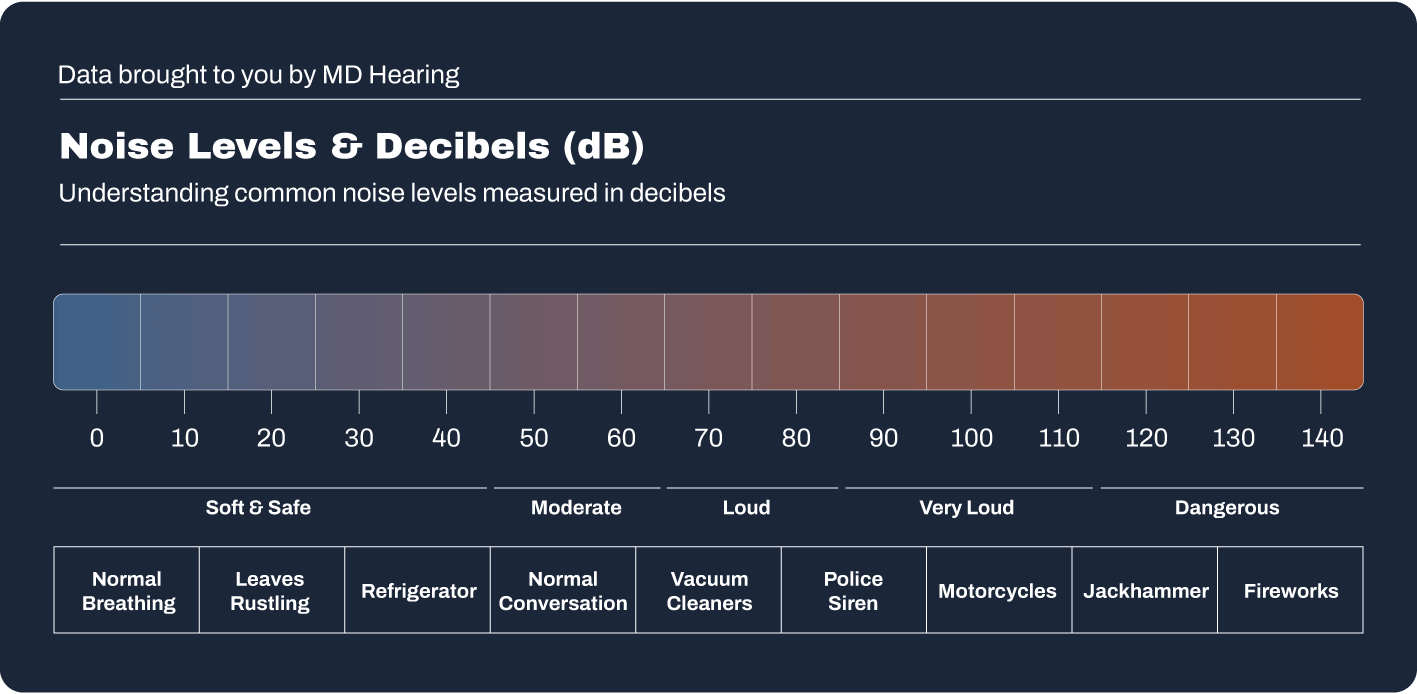
The facility is designed to operate as a quiet industrial neighbor. Sound levels at the property boundary are expected to be approximately 60–65 decibels, comparable to a normal conversation or the same level of noise as a household dishwasher.

The project contributes to the local economy through job creation, property tax revenue, and partnerships with local businesses, while maintaining a low day-to-day impact with minimal traffic and limited strain on public infrastructure.
The project contributes significant property tax revenue to support schools and public services. It is expected to create 1500 construction jobs and up to 200 long-term, high-wage roles, while also supporting local contractors and businesses. These opportunities span a range of fields, including:
- Construction & Skilled Trades
- Engineering & Technical Roles
- Operations & Facility Management
- Security & Support
No. By generating a portion of our own power and using a closed-loop water system (a cooling system in which the same water is reused over and over instead of being consumed), we are able to avoid driving up local costs or requiring municipal infrastructure expansions.
The project is designed to be environmentally responsible, reducing environmental impact to the surrounding area by using existing industrial land, minimizing water consumption through a closed-loop cooling system, and incorporating energy-efficient infrastructure. This approach reduces the need for new land development, limits ongoing resource use, and supports long-term, responsible operation within the Weld County community.
The project is exploring partnerships with local organizations, contractors, and community groups. As the project progresses, more information on job opportunities and partnerships will be made available.